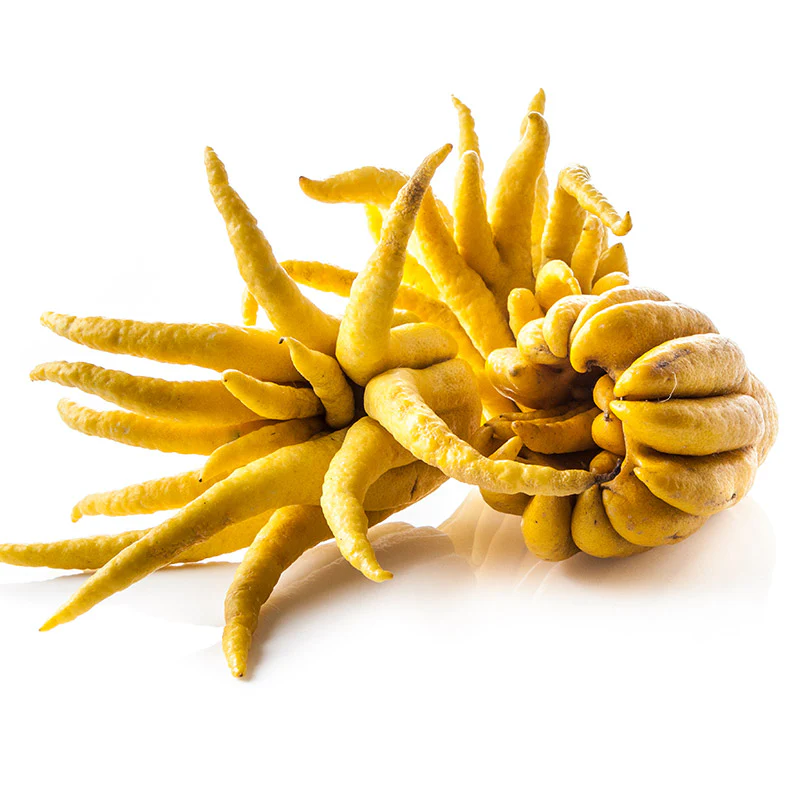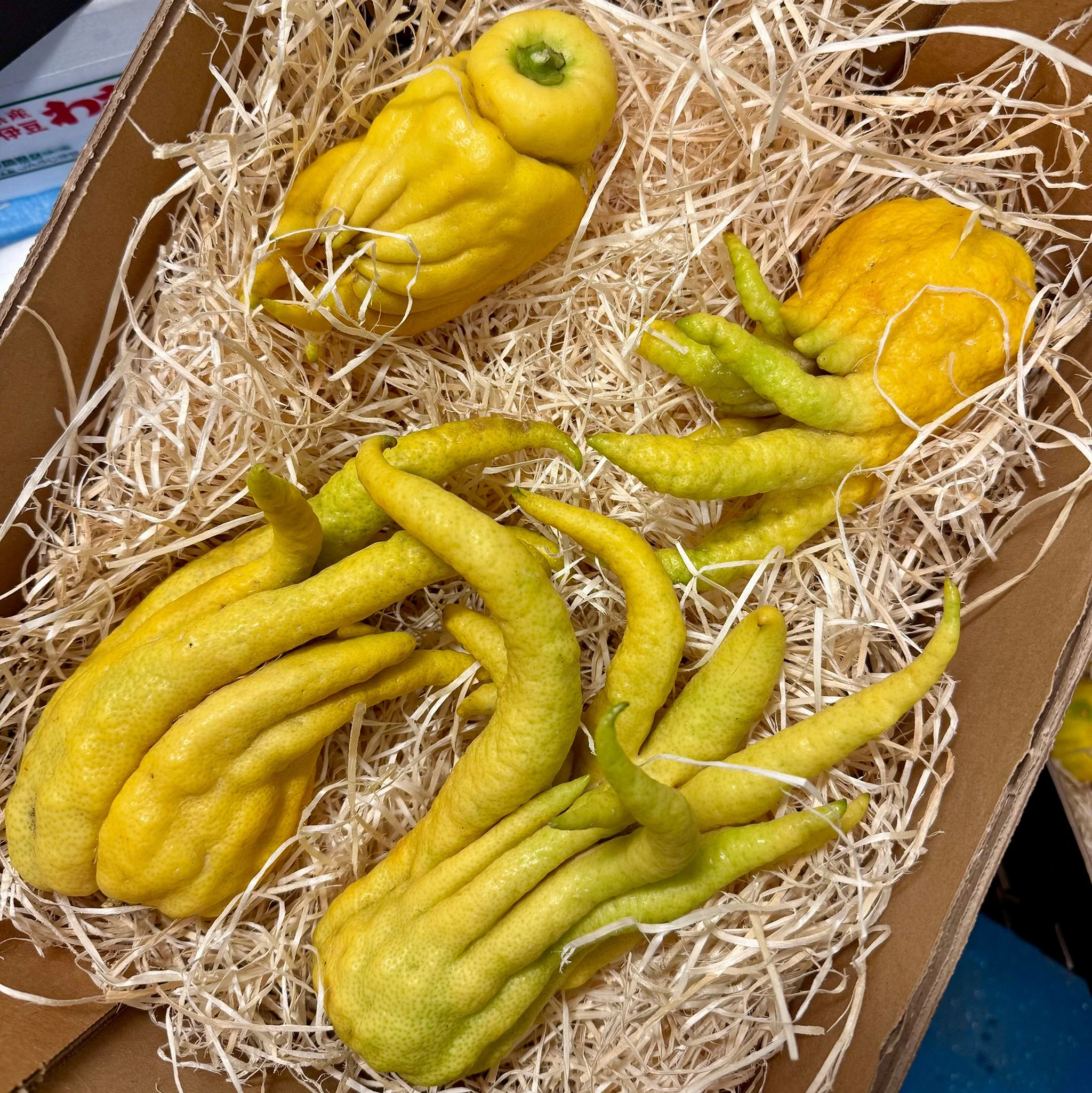
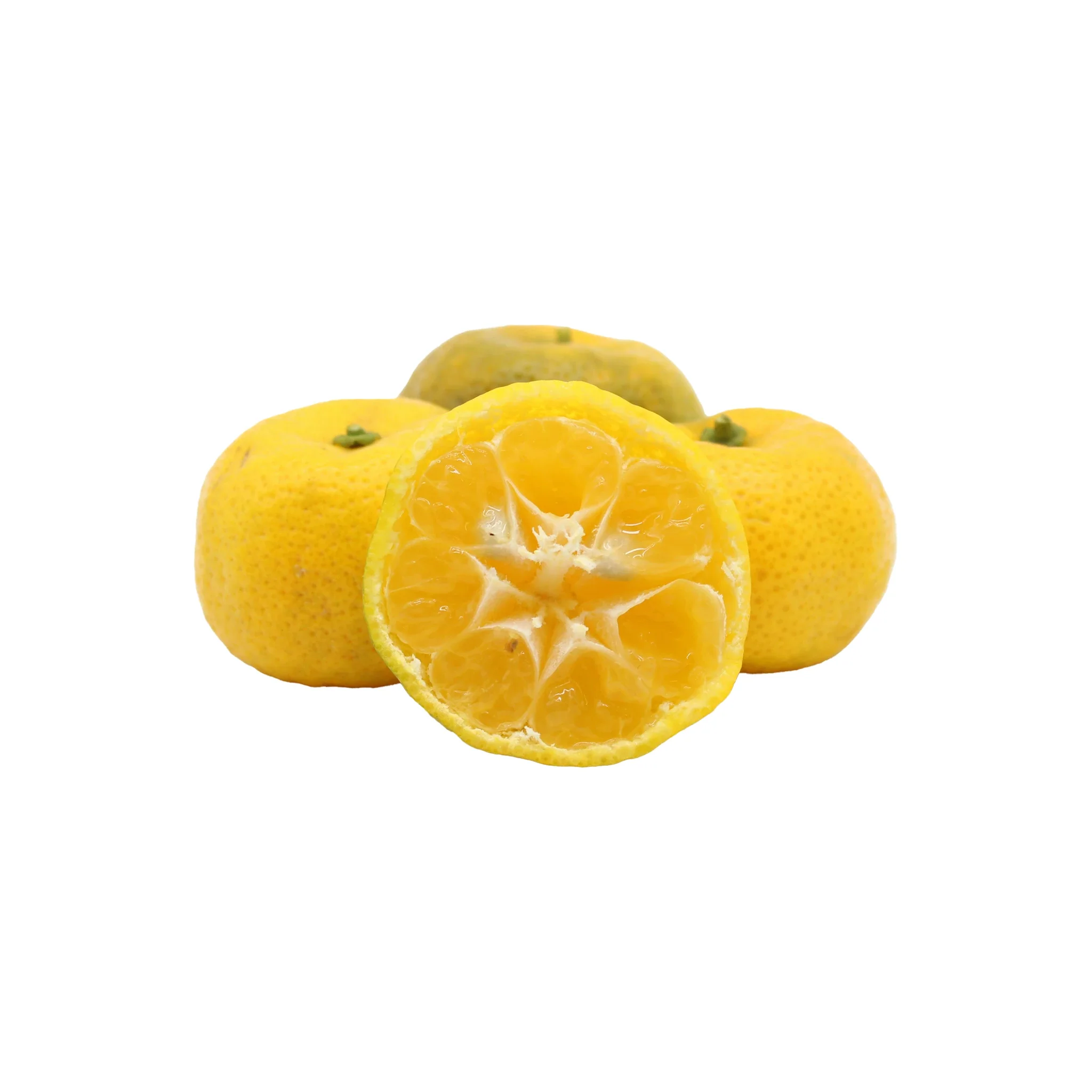
Fresh Tachibana
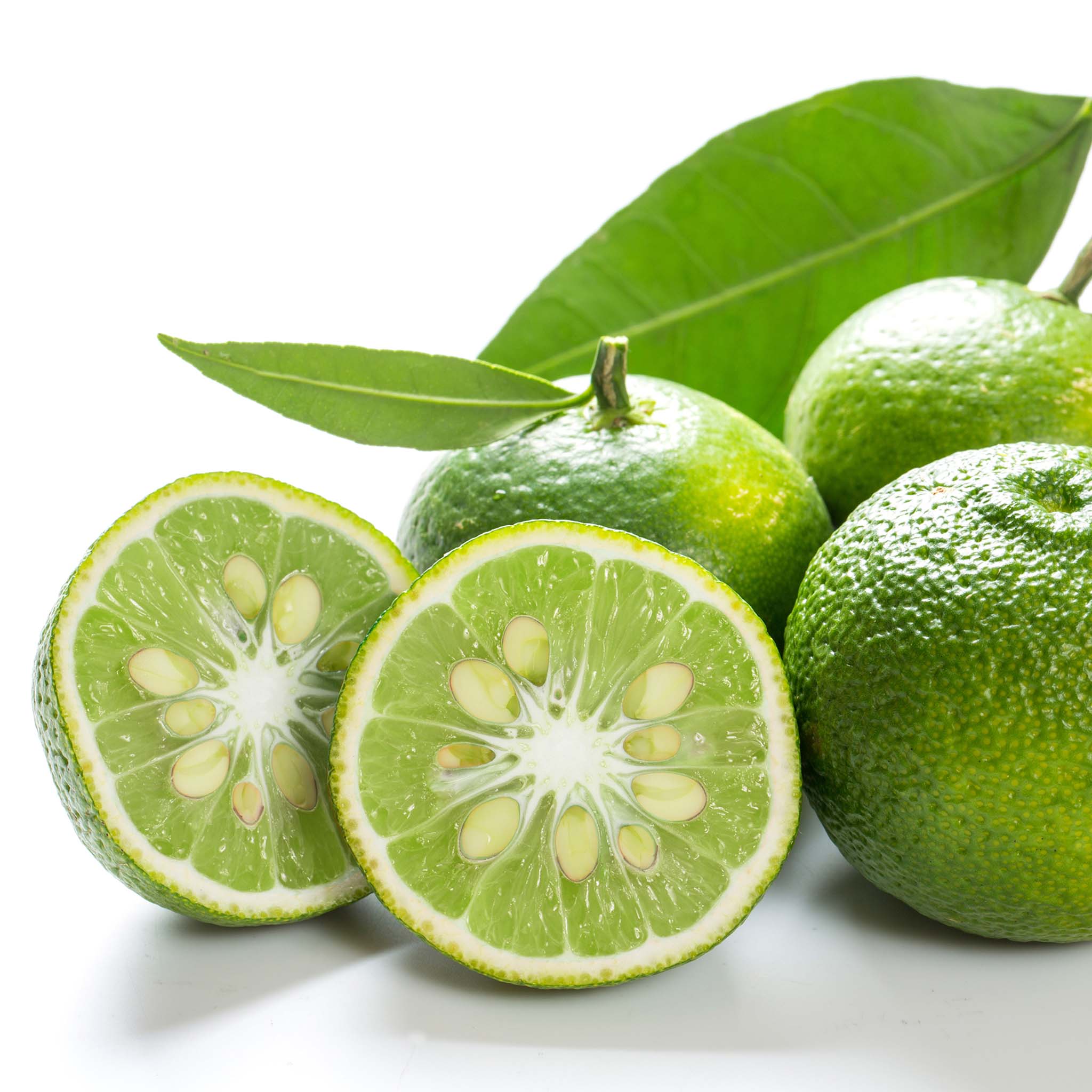
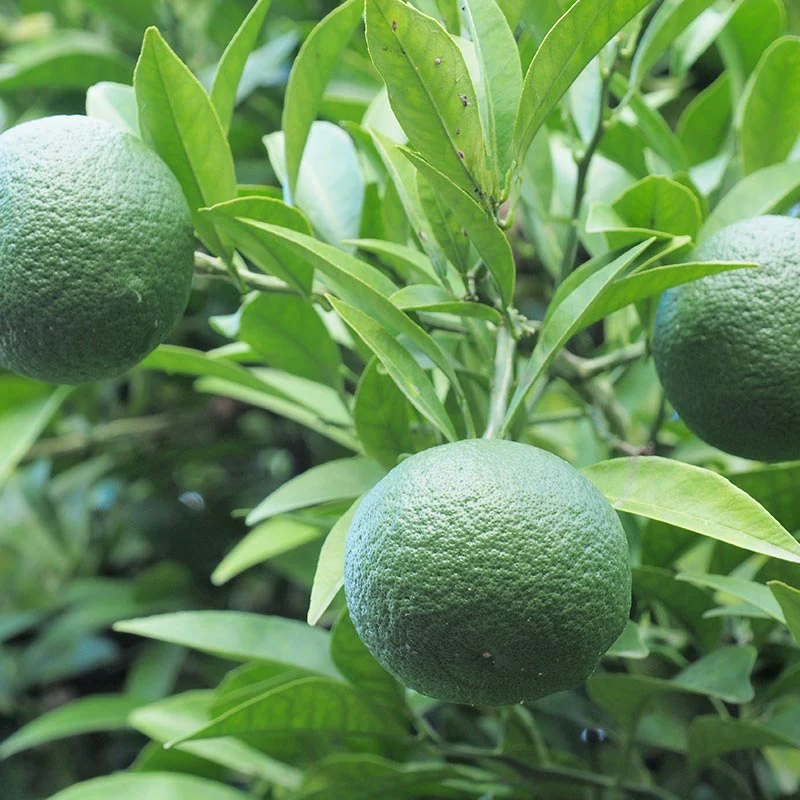
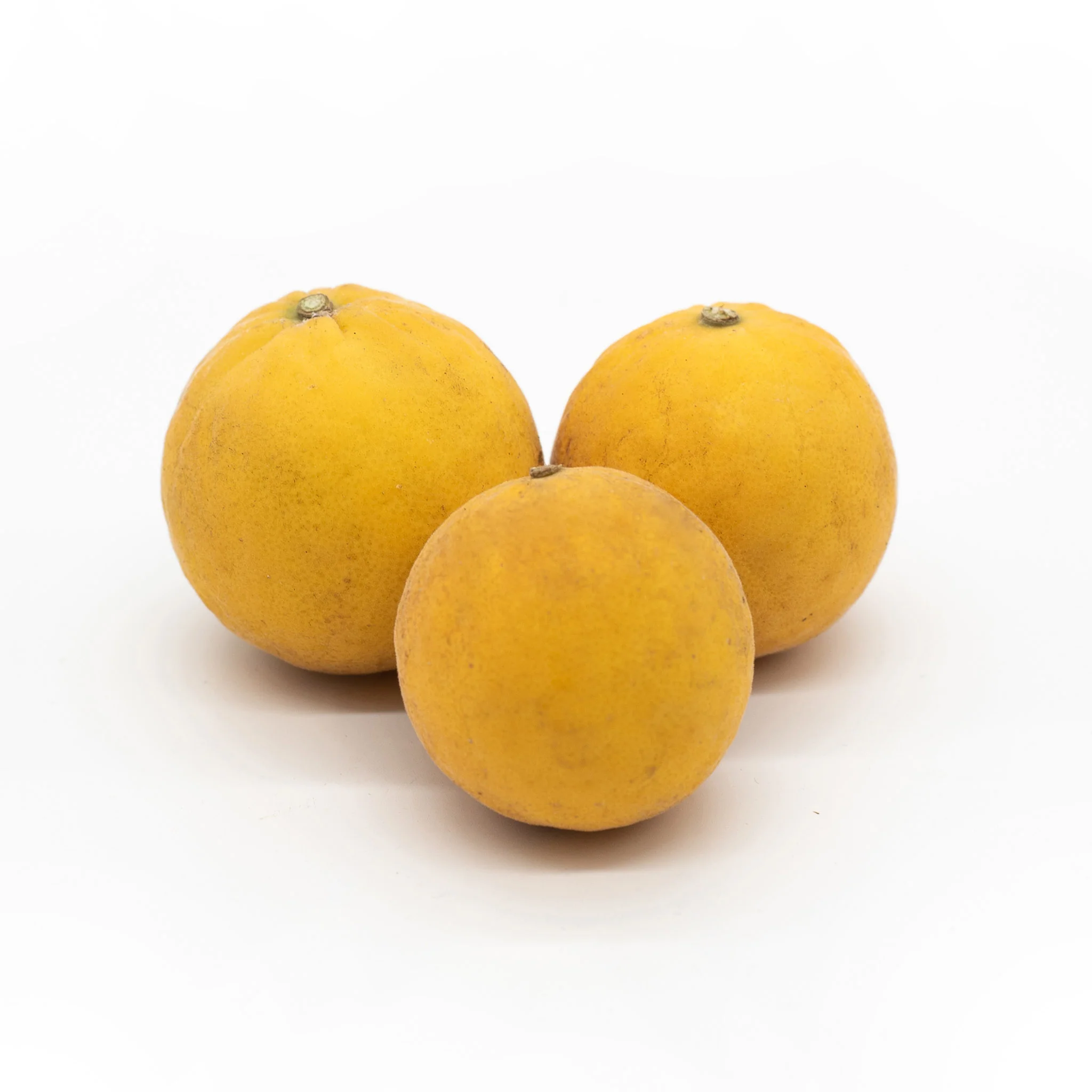
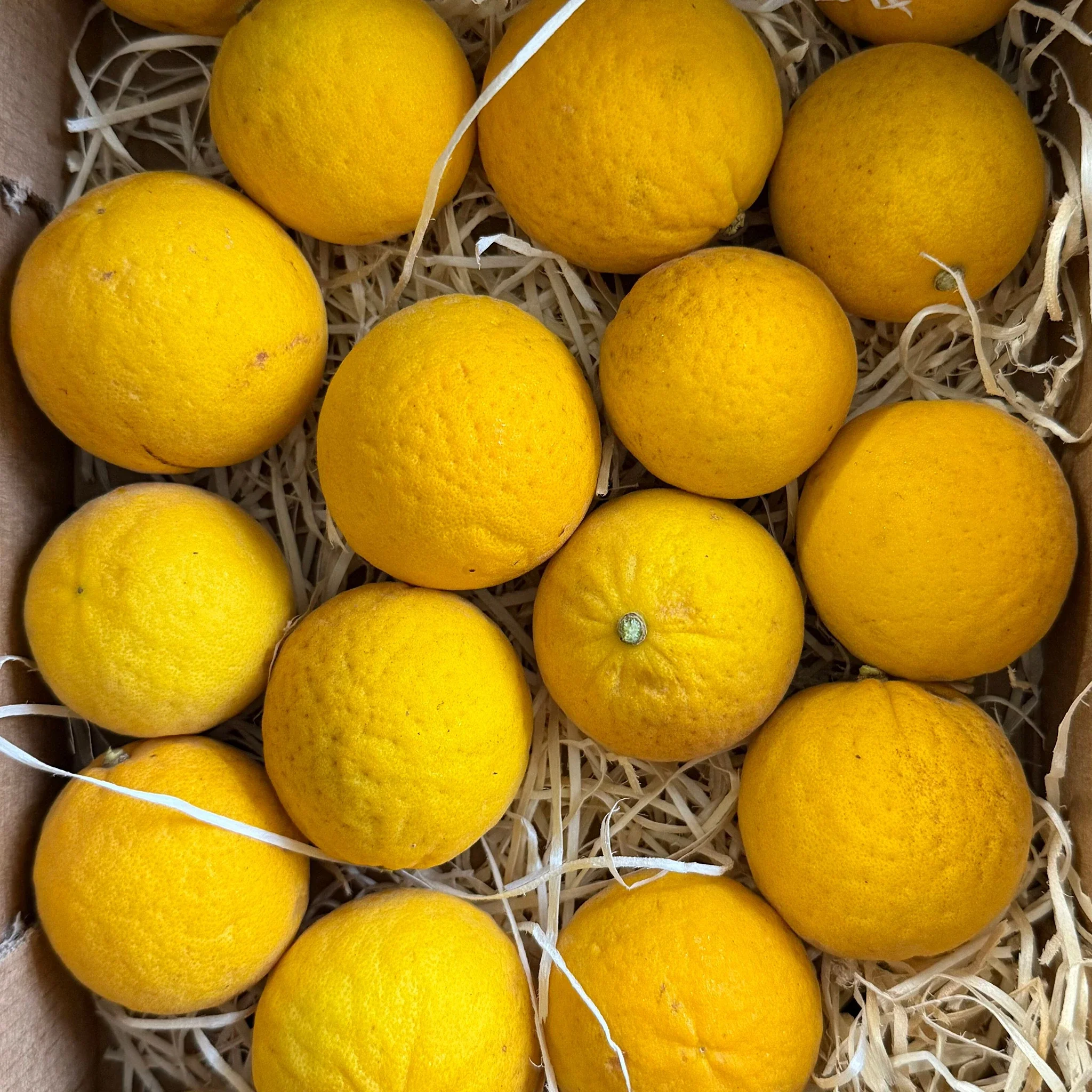
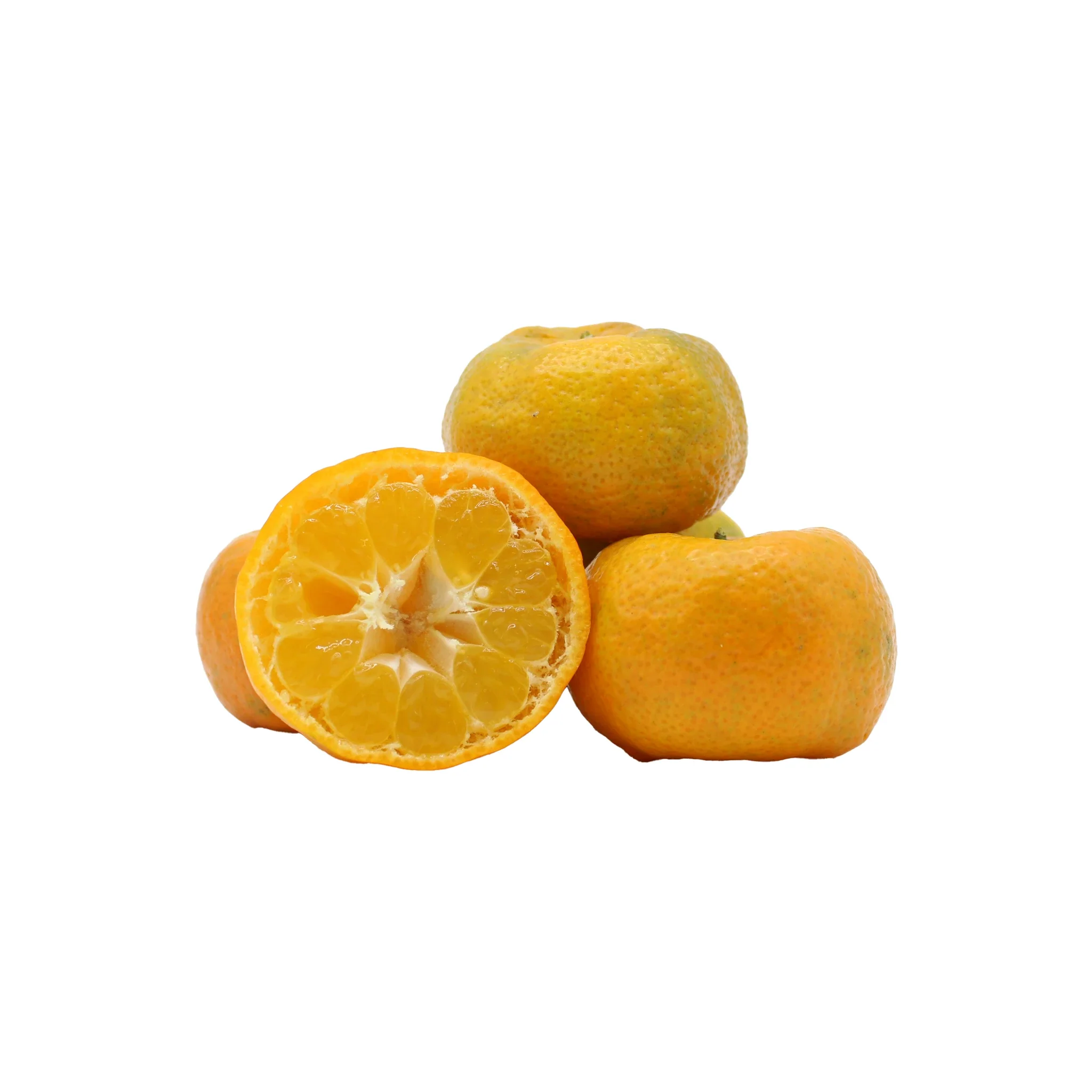
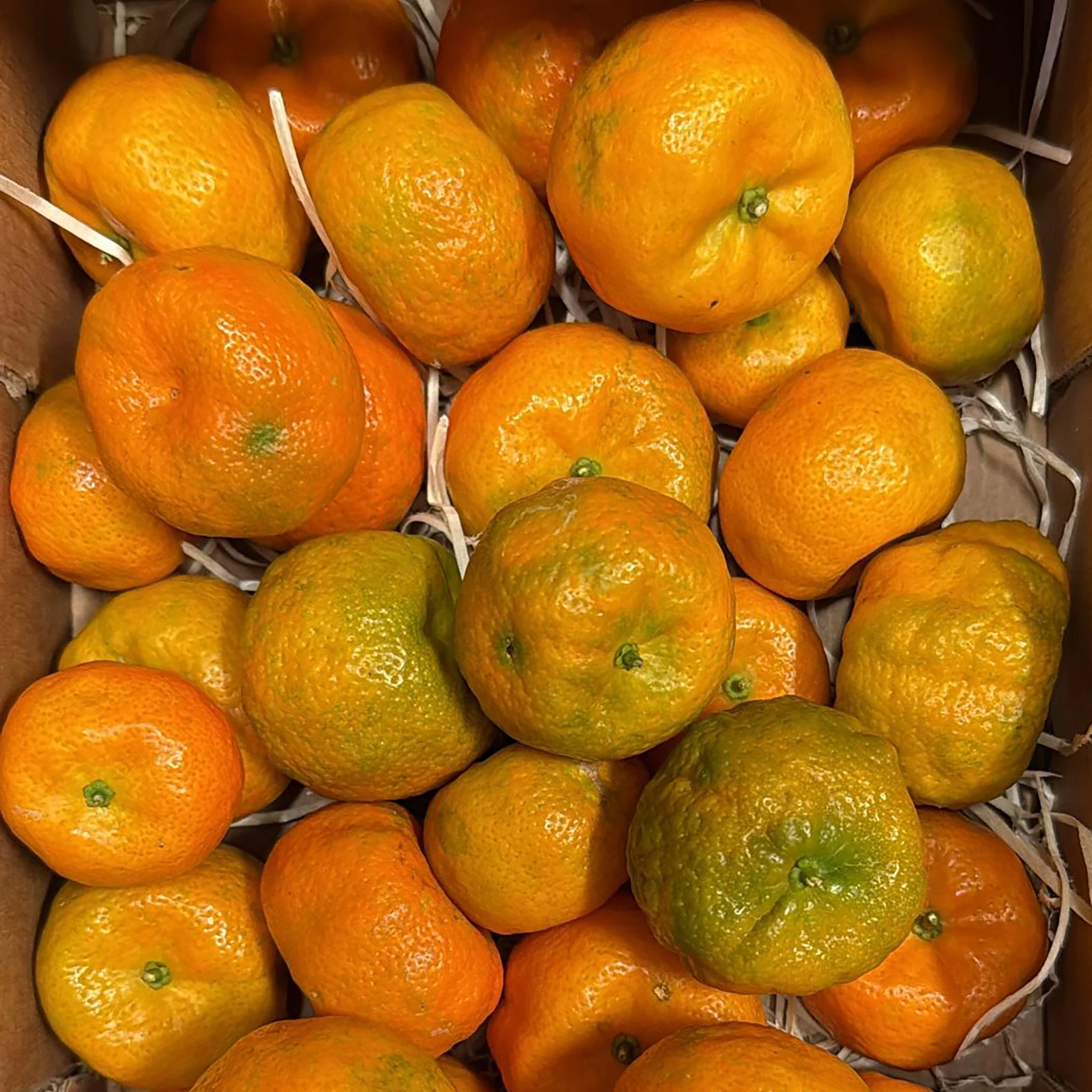
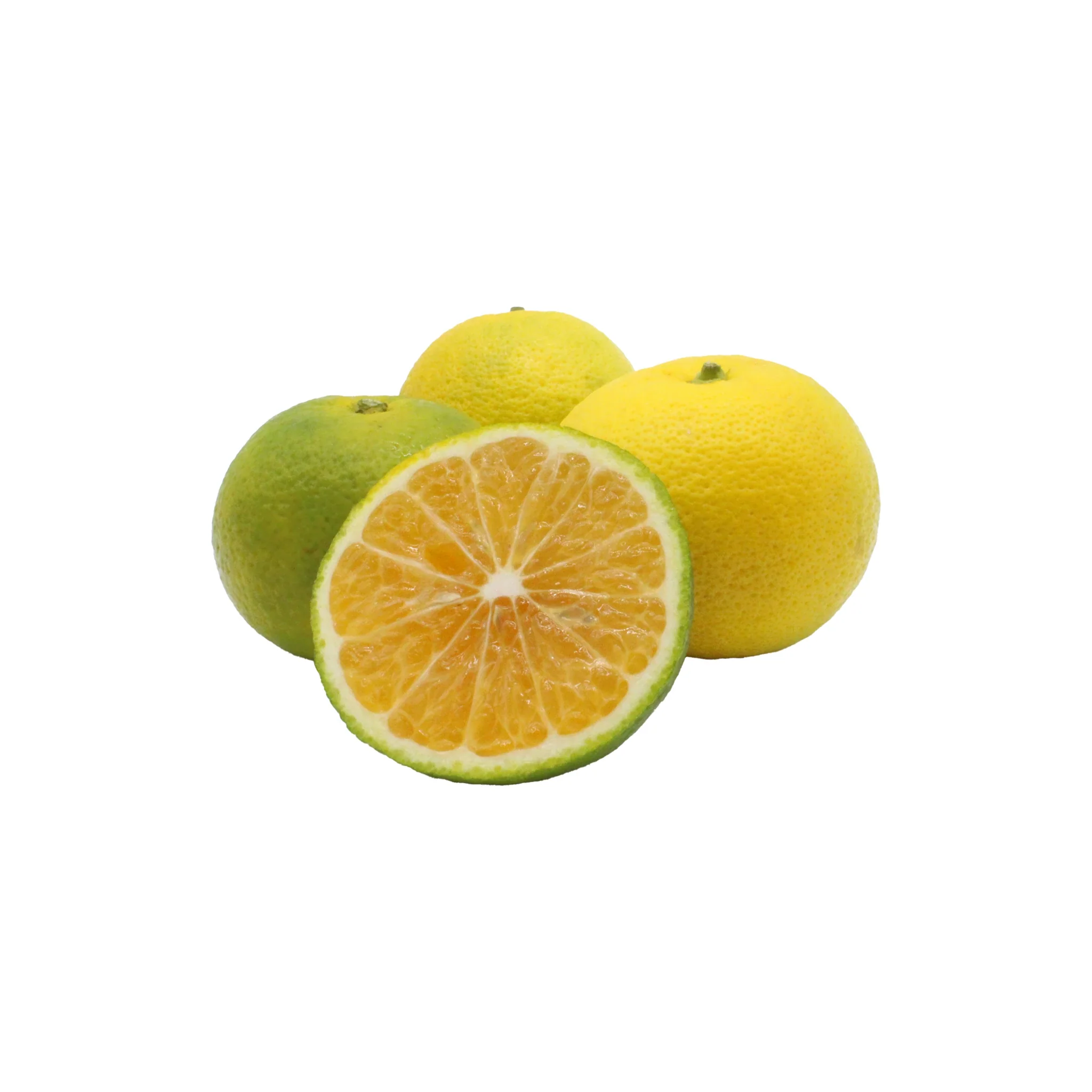
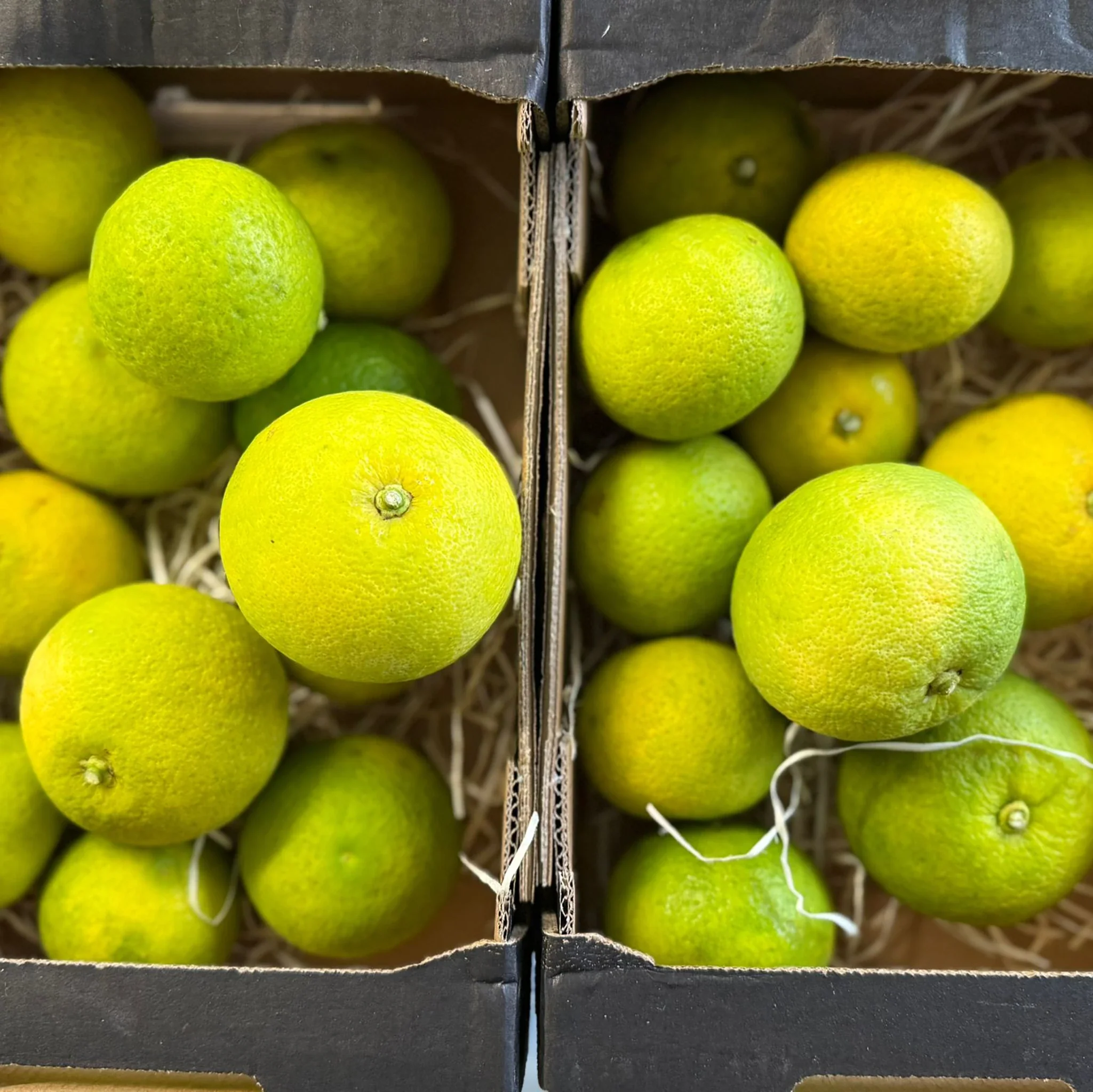
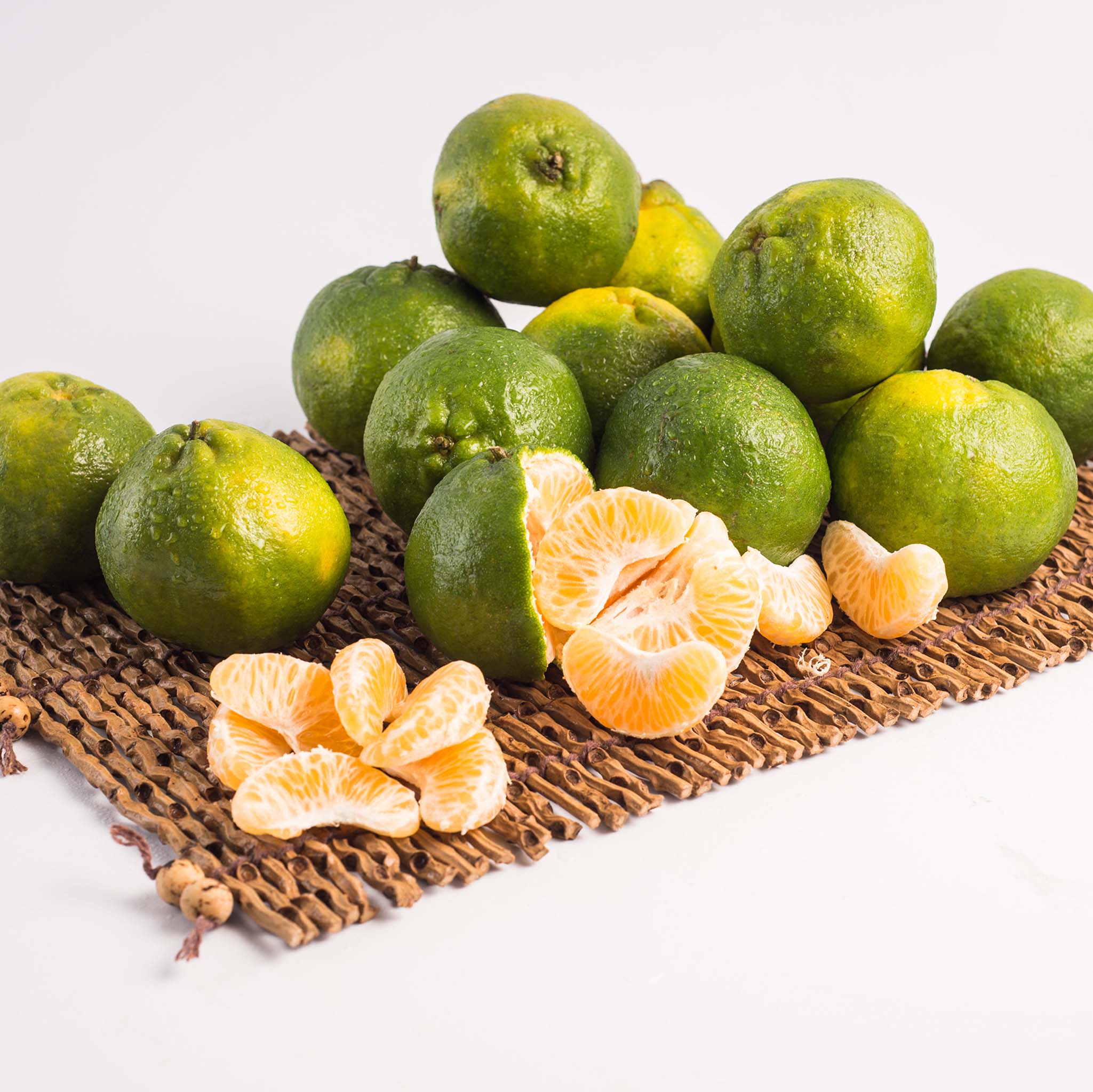
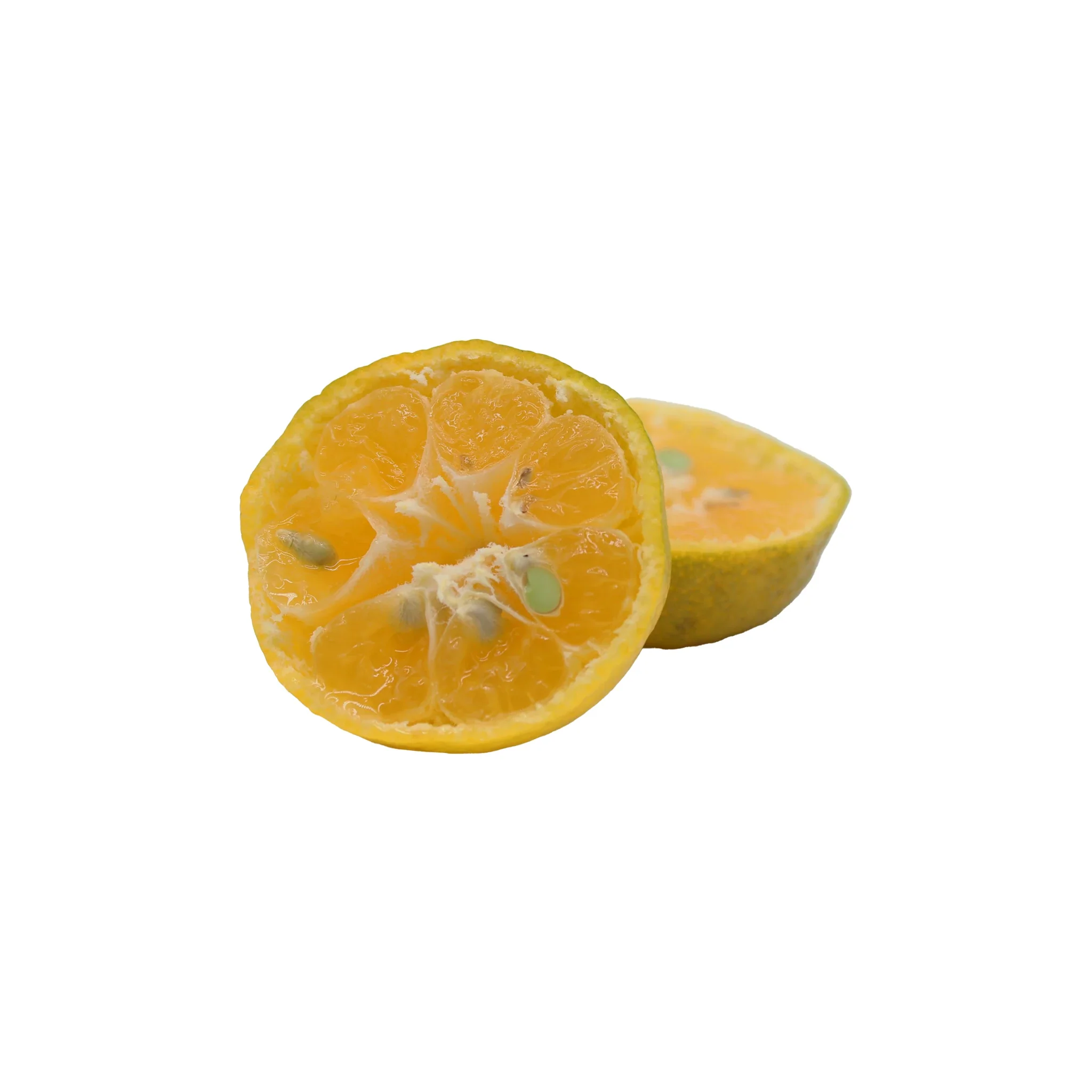
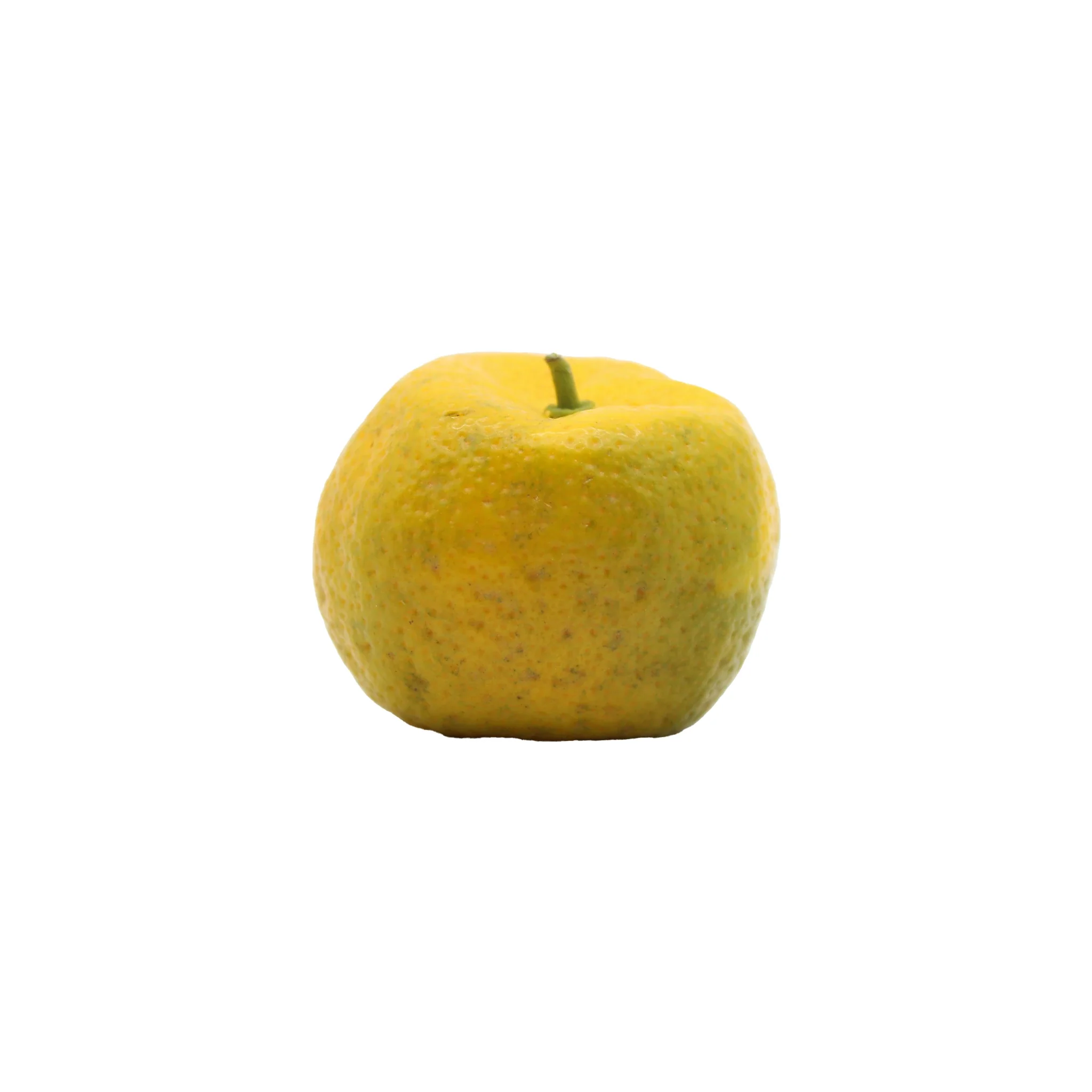
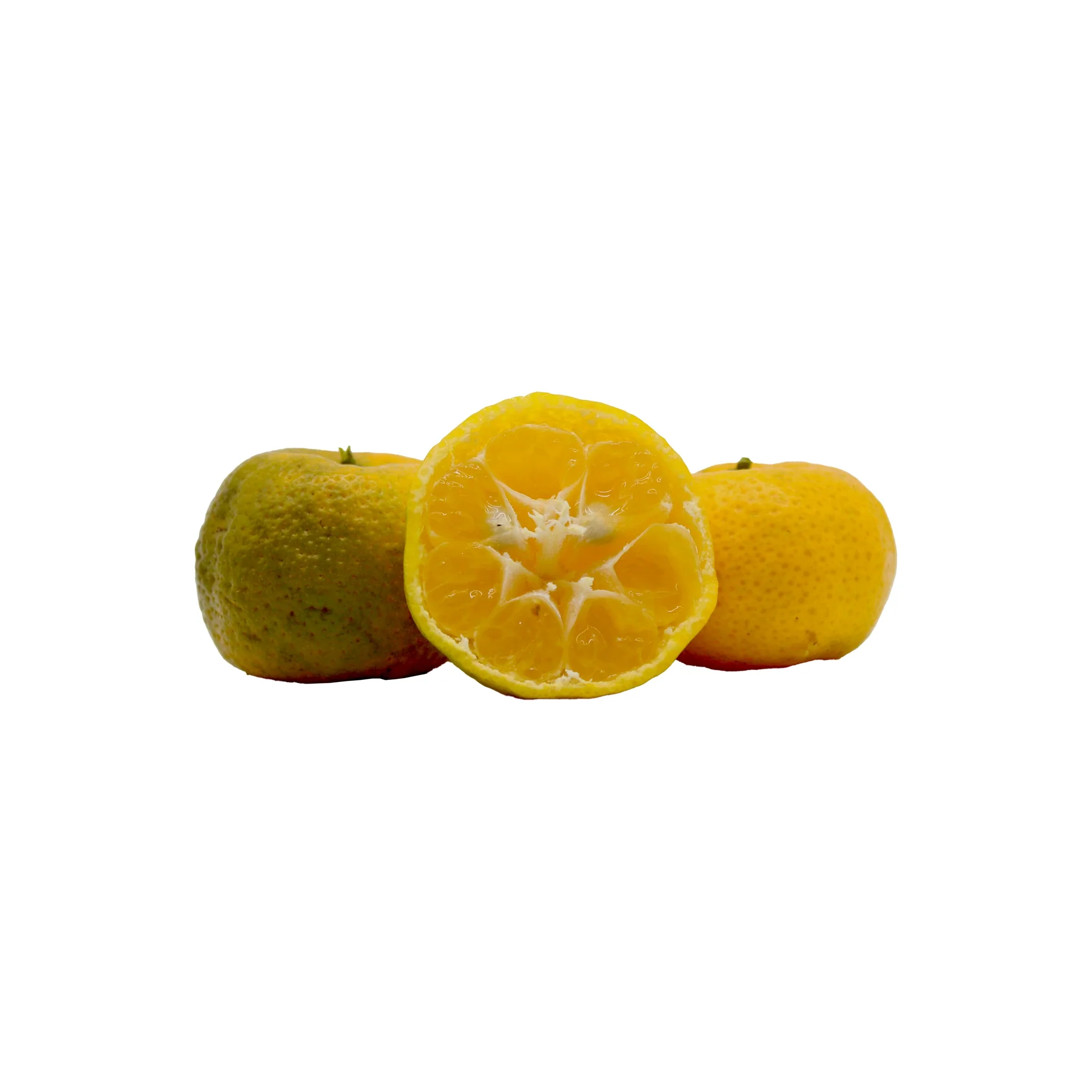
Tachibana looks like a small mandarin and is lightly sweet with a gentle, sharp tang, more delicate in flavour than a mandarin, it works well in both sweet and savoury dishes. With its thin skin and juicy segments, it’s easy to use and ideal for a wide range of recipes. It’s not peeled and eaten like a standard orange or satsuma, but is used in cooking for its zest, fragrance and juice.
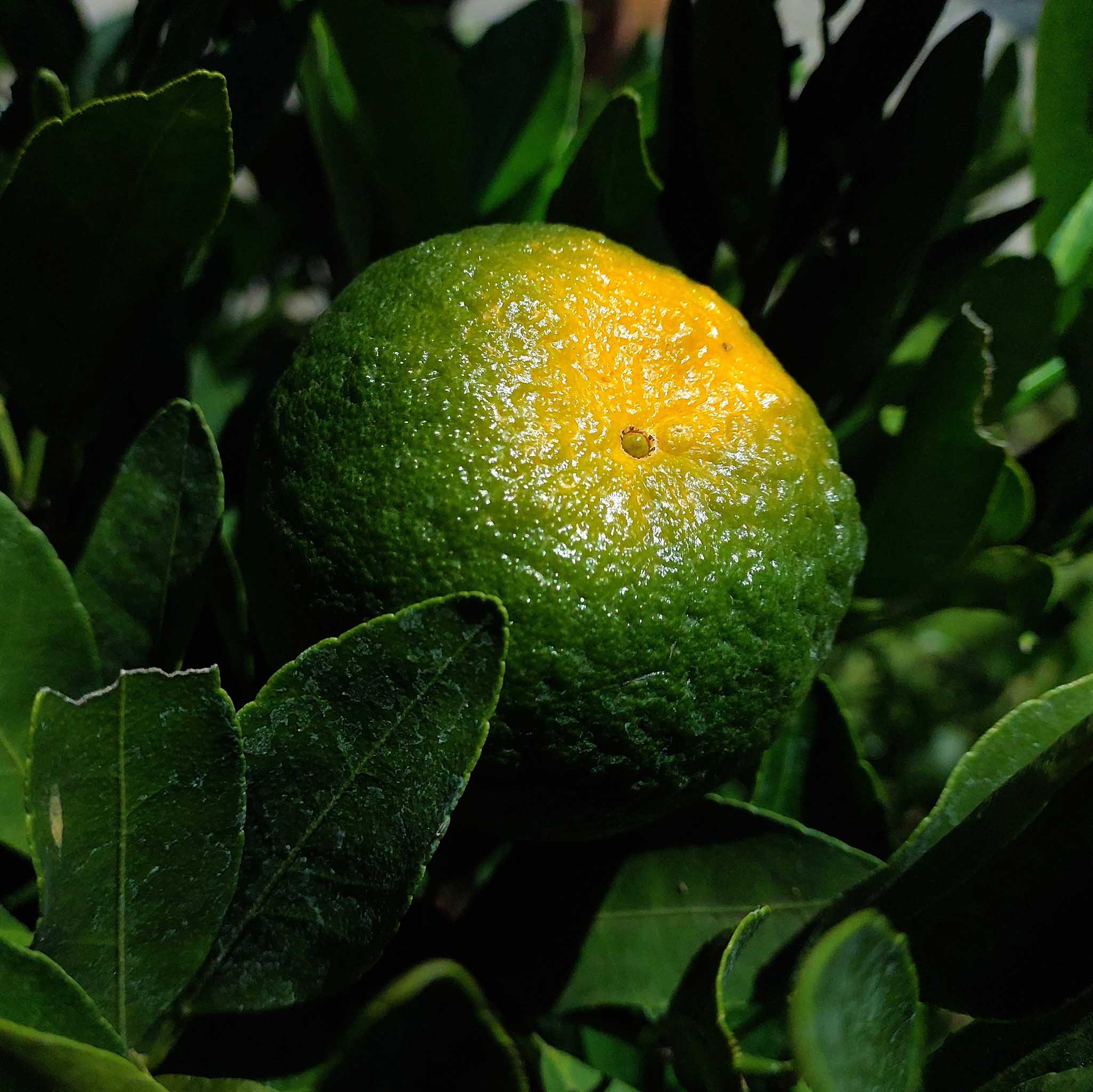
This small, aromatic citrus fruit is native to Japan and parts of East Asia and is usually harvested in small quantities. It’s considered quite rare and a wild or semi-wild citrus, believed to be one of the ancestral species behind many modern Japanese citrus varieties, and is often described as a “heritage” or “ancient” citrus fruit.
See How to use below for inspiration.
Original: $11.00
-70%$11.00
$3.30More Images
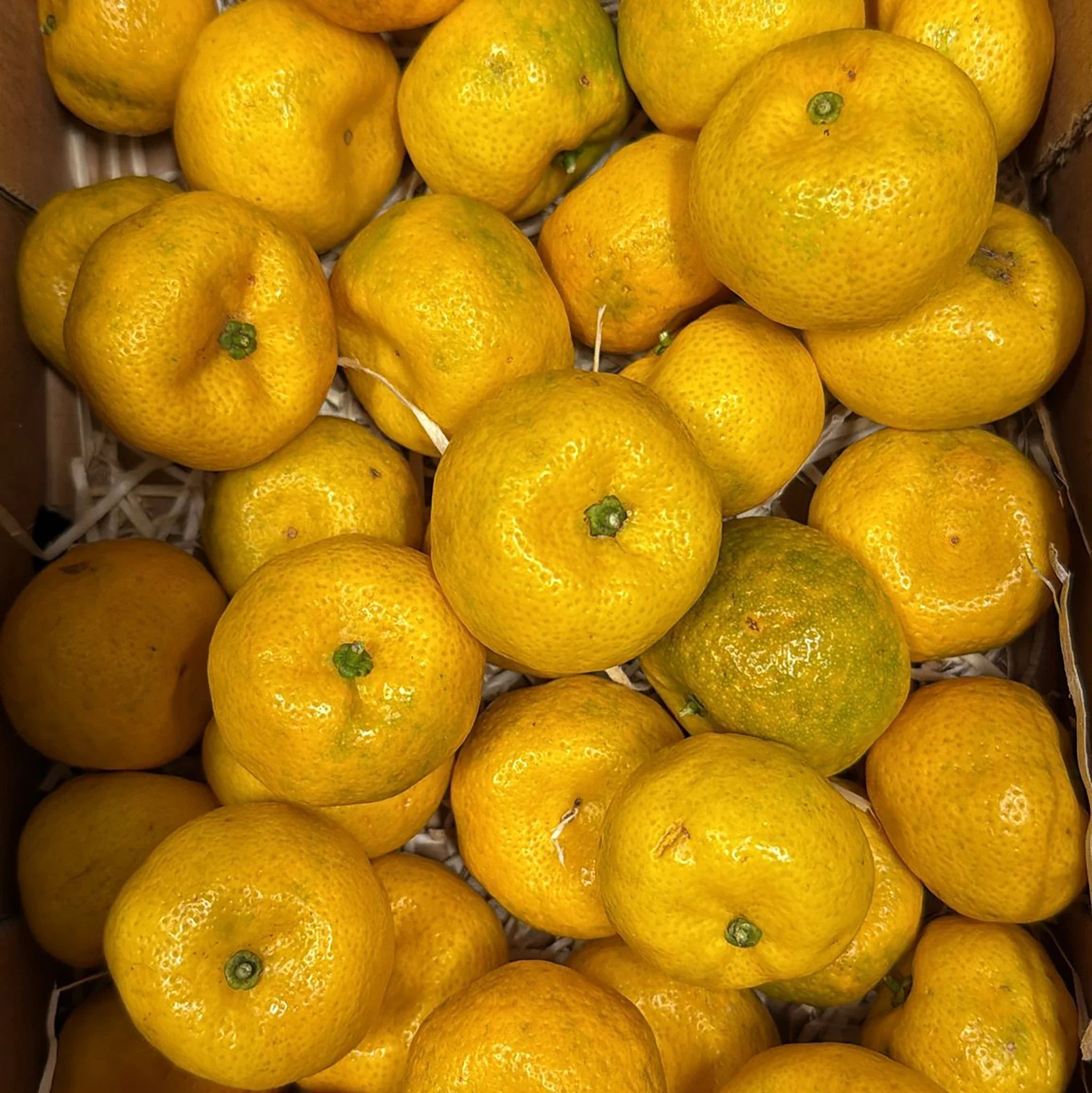
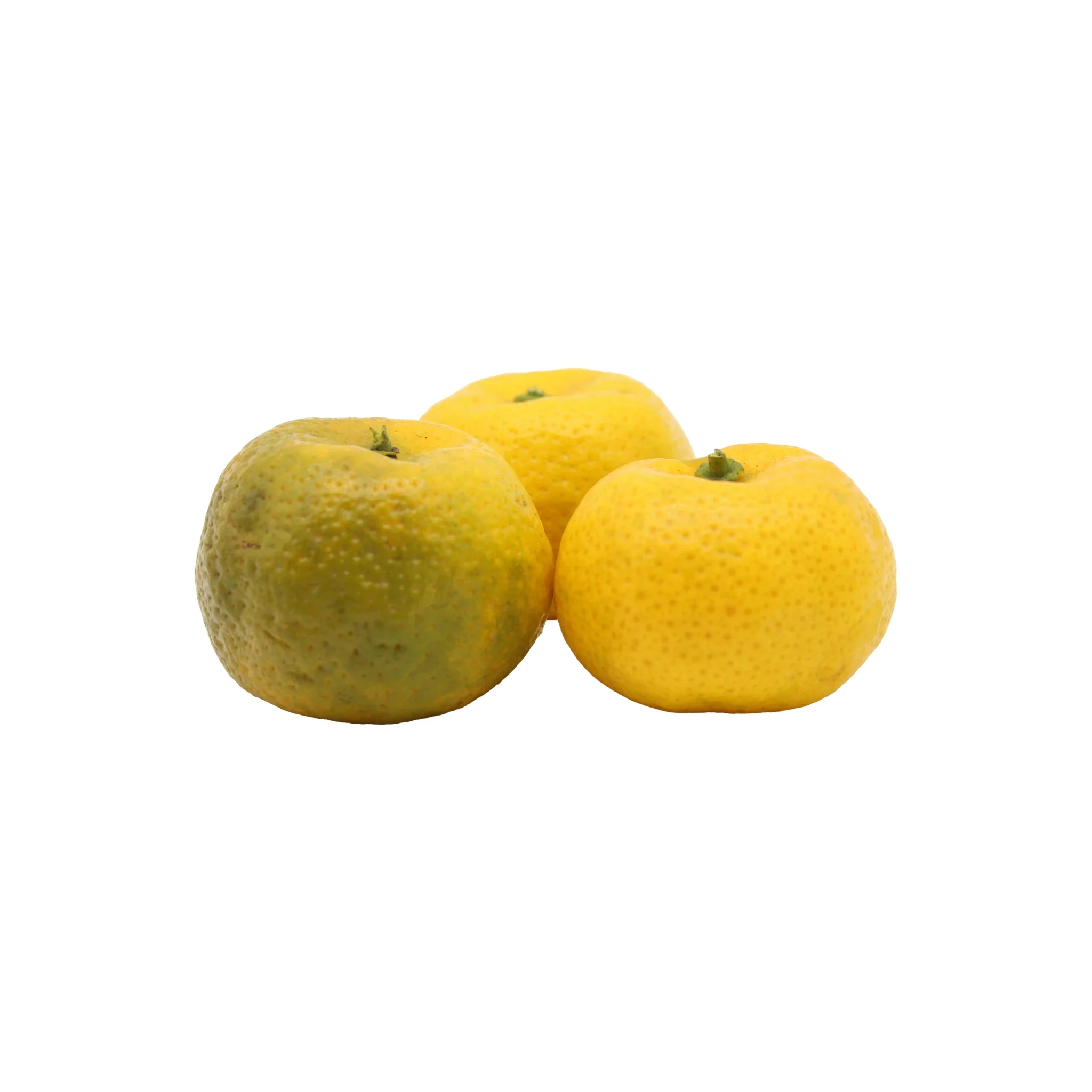
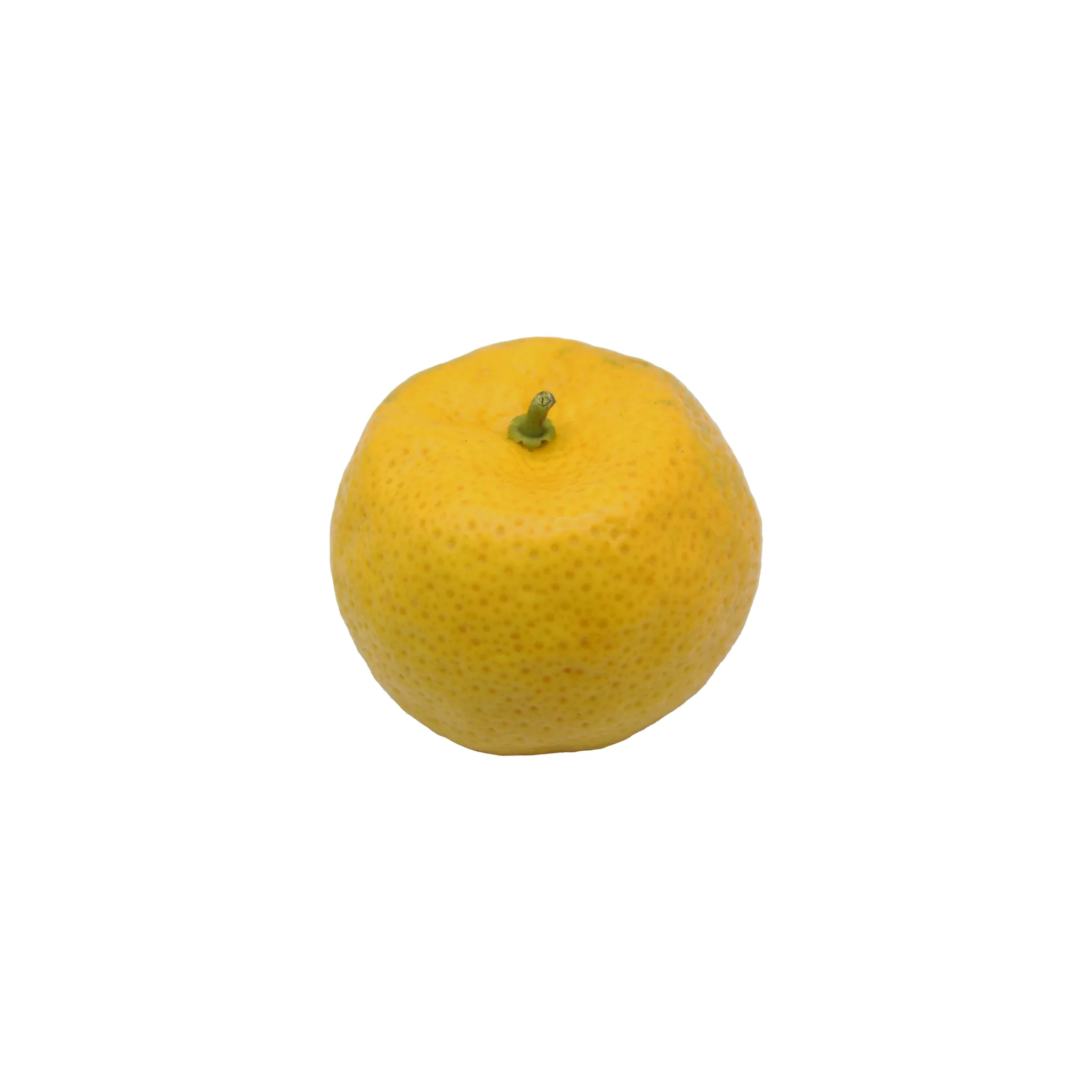
Fresh Tachibana
Tachibana looks like a small mandarin and is lightly sweet with a gentle, sharp tang, more delicate in flavour than a mandarin, it works well in both sweet and savoury dishes. With its thin skin and juicy segments, it’s easy to use and ideal for a wide range of recipes. It’s not peeled and eaten like a standard orange or satsuma, but is used in cooking for its zest, fragrance and juice.
This small, aromatic citrus fruit is native to Japan and parts of East Asia and is usually harvested in small quantities. It’s considered quite rare and a wild or semi-wild citrus, believed to be one of the ancestral species behind many modern Japanese citrus varieties, and is often described as a “heritage” or “ancient” citrus fruit.
See How to use below for inspiration.
Product Information
Product Information
Shipping & Returns
Shipping & Returns
Description
Tachibana looks like a small mandarin and is lightly sweet with a gentle, sharp tang, more delicate in flavour than a mandarin, it works well in both sweet and savoury dishes. With its thin skin and juicy segments, it’s easy to use and ideal for a wide range of recipes. It’s not peeled and eaten like a standard orange or satsuma, but is used in cooking for its zest, fragrance and juice.
This small, aromatic citrus fruit is native to Japan and parts of East Asia and is usually harvested in small quantities. It’s considered quite rare and a wild or semi-wild citrus, believed to be one of the ancestral species behind many modern Japanese citrus varieties, and is often described as a “heritage” or “ancient” citrus fruit.
See How to use below for inspiration.